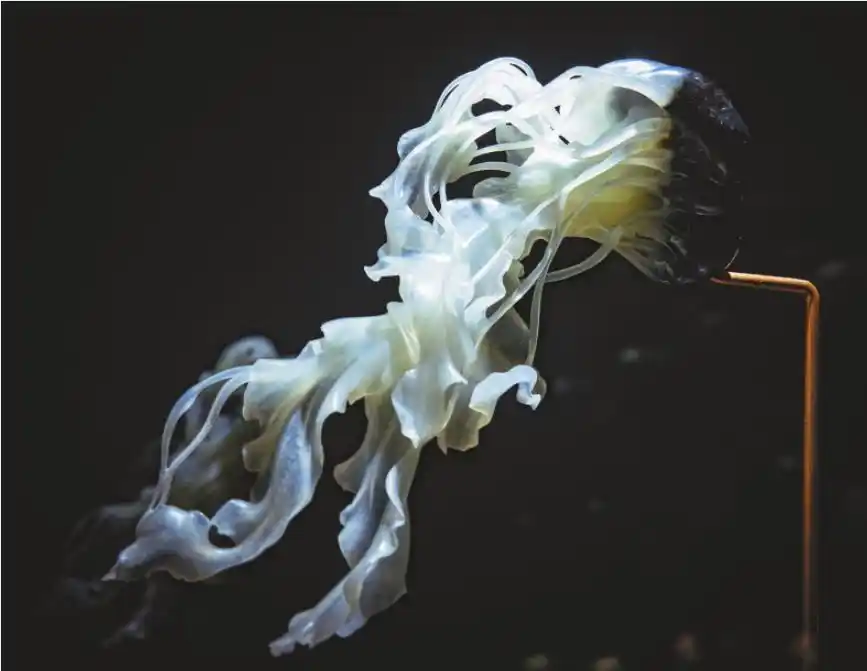
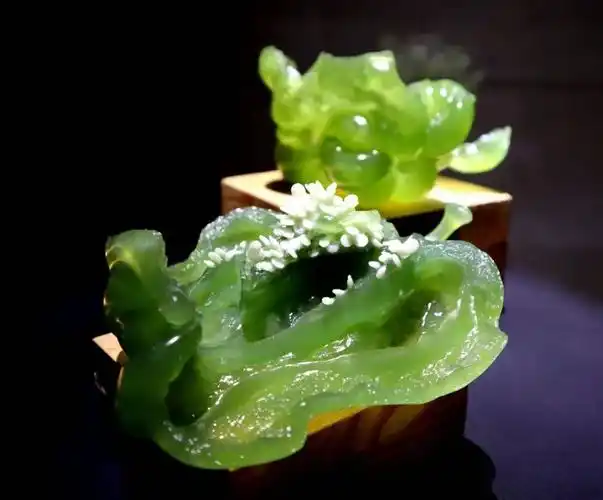
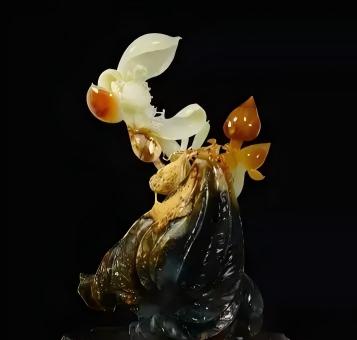
Xiuyan Jade
Heritage into Art
One-of-a-kind creations shaped by master hands in China
About the Founder
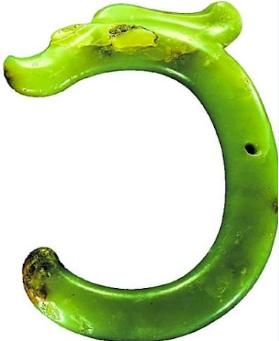
Xiuyan jade originates from Xiuyan, China—one of the most historically significant and enduring jade carving regions in the country, widely regarded as a cornerstone of northern Chinese jade craftsmanship.
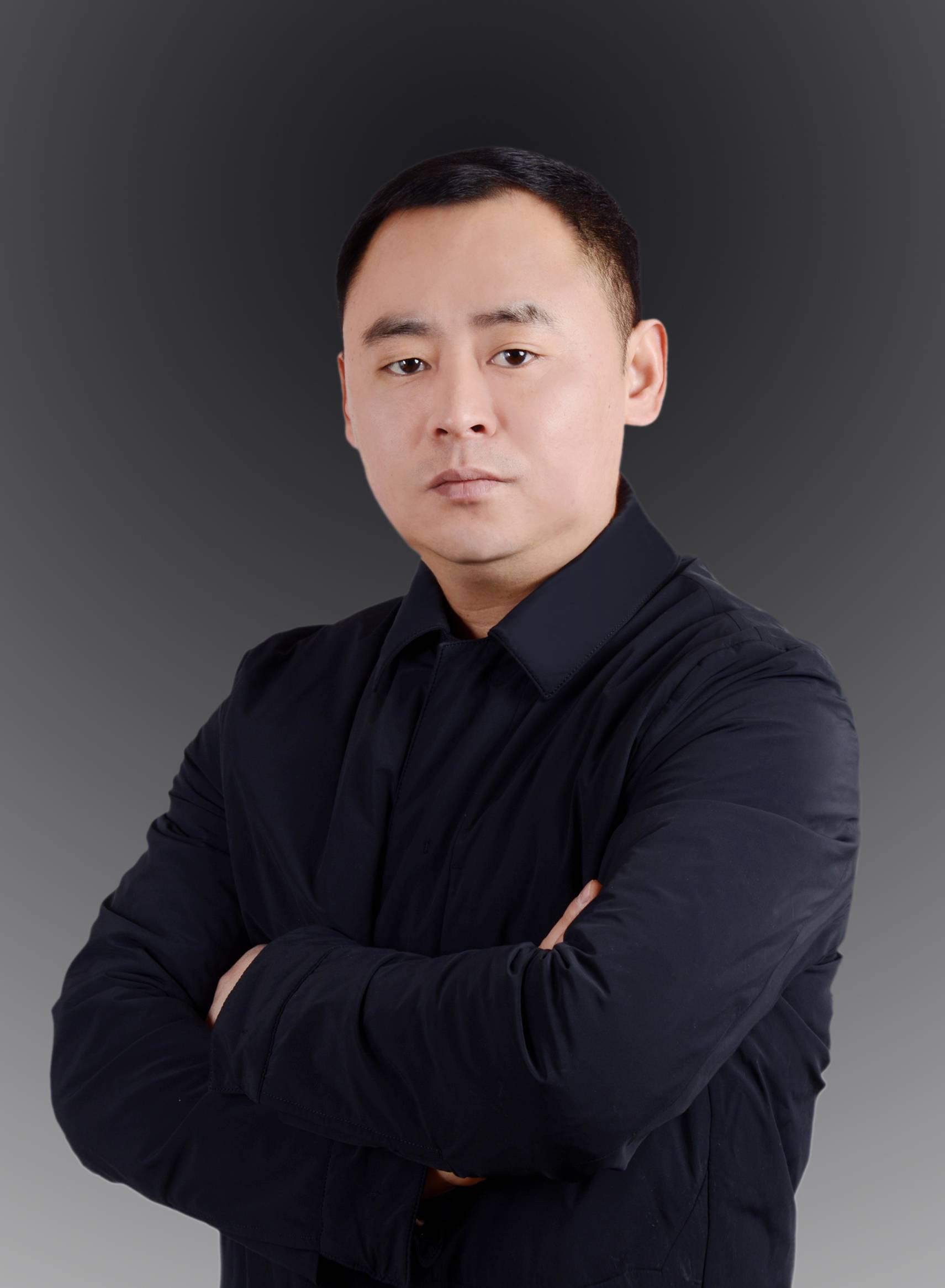
Born in Xiuyan, I grew up within the world of jade workshops and master artisans. This environment shaped my understanding of jade not as material, but as a cultural lineage formed through time, handcraft, and philosophy.
The jade carving tradition of Xiuyan is carried forward by generations of master artisans whose practice is defined by discipline, patience, and an unwavering commitment to handcraft. Each work is shaped entirely by hand, reflecting a refined sensitivity that emerges only through years of lived practice. Every piece is individually carved, never replicated, and exists as a singular expression of both material and maker.
I work directly with jade carving masters in Xiuyan, China,
bringing authentic jade artworks to collectors worldwide.
Each piece is carefully selected and represents true craftsmanship.
Today, I remain closely connected to this living tradition, curating works that preserve authenticity and artistic integrity. Each piece reflects not only craftsmanship, but the quiet continuity of a living heritage.
This platform exists to present Xiuyan jade in a global context, with clarity, respect, and depth.My purpose is to preserve its cultural essence, ensure it is seen and understood beyond its place of origin, and share the heritage of Xiuyan jade with the world.
— Ivy Liang
Selected Works
Master Artists
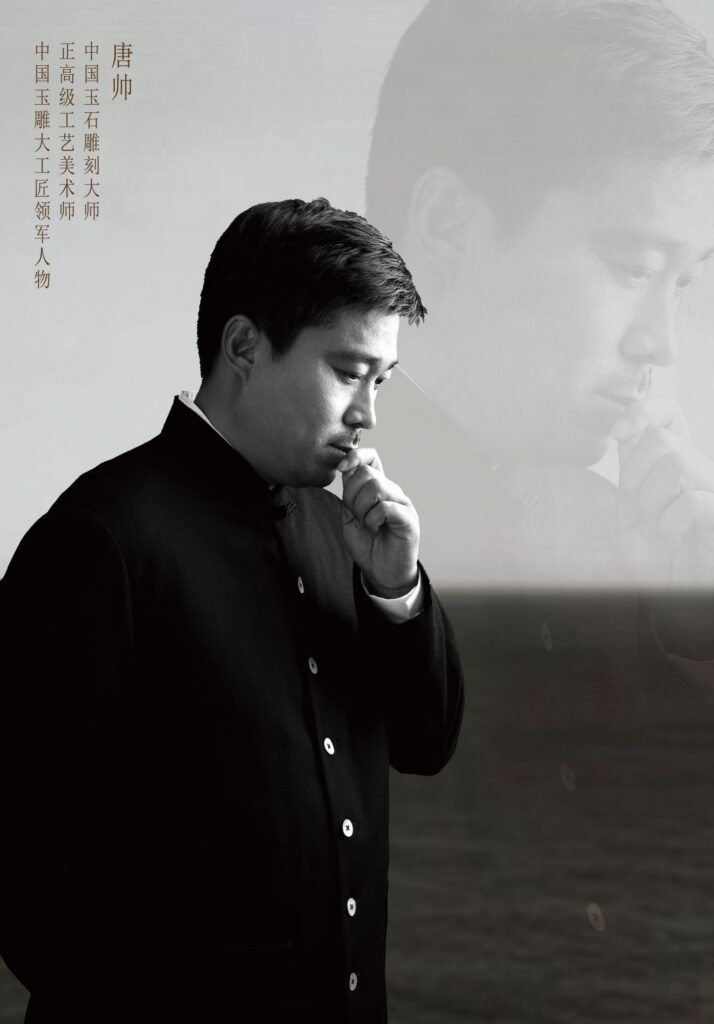
Tang Shuai
Tang Shuai stands as a leading figure in contemporary Chinese jade carving and is a recognized inheritor of China’s Intangible Cultural Heritage.
Holding multiple national-level titles within China’s arts and crafts system, he has played a significant role in redefining Xiuyan jade carving within a contemporary artistic context. His works have been presented in major national exhibitions and are widely recognized across institutional, academic, and professional circles.
Beyond his individual practice, he has been actively engaged in advancing the cultural visibility of jade carving through independent initiatives, contributing to a broader dialogue between traditional craftsmanship and contemporary art.
His artistic language is rooted in cultural memory, philosophy, and lived experience. Through sculptural interpretation, he transforms jade from a traditional decorative material into a medium of expressive and conceptual depth.
Li Hongwei
Emerging as one of the youngest recognized masters within China’s national jade carving system, Li Hongwei represents a new generation of refined craftsmanship.
As a recognized inheritor of China’s Intangible Cultural Heritage, he has established a disciplined practice rooted in a deep understanding of jade as both material and cultural medium. His work has been featured in professional exhibitions and acknowledged within national arts and crafts evaluation systems.
Rather than pursuing ornamental complexity, his approach emphasizes structural clarity and material integrity. Through a restrained and highly controlled carving process, he reveals the intrinsic qualities of jade, allowing the material itself to guide the final form.
His practice reflects a quiet yet rigorous continuation of traditional craftsmanship, distinguished by balance, precision, and a contemporary sensitivity.
Sun Jiaxing
Technical mastery and precision lie at the core of Sun Jiaxing’s work, positioning him among the leading figures in contemporary jade carving focused on advanced craftsmanship.
With over two decades of experience, he is recognized within China’s national arts and crafts system and has received top honors at major national competitions, including the prestigious “Baihua Award” and “Tiangong Award.”
His work is distinguished by highly demanding techniques, particularly thin-walled vessel carving, a discipline that requires exceptional control over structure, thickness, and internal balance. Such works are widely regarded as a benchmark of technical excellence in jade carving.
Rather than concealing the natural characteristics of jade, he often incorporates them into the composition, transforming material limitations into defining artistic elements.
Through the integration of extreme technical precision and refined aesthetic judgment, his work represents a pinnacle of contemporary jade craftsmanship grounded in tradition.